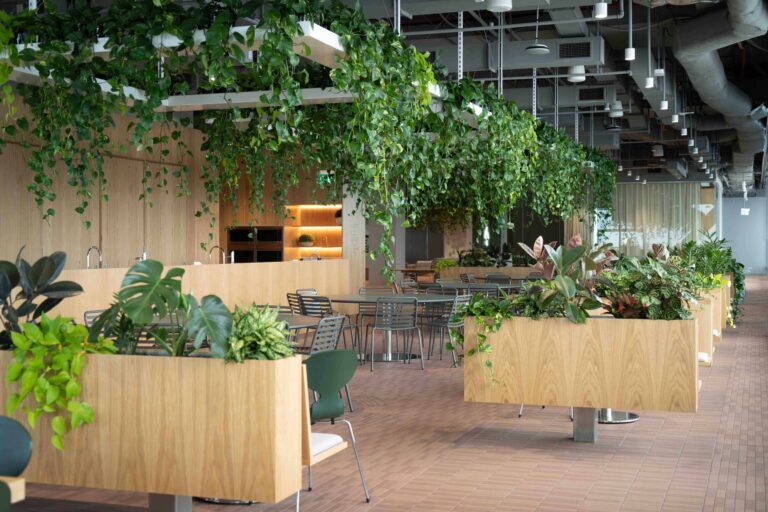
Many commercial interiors across Queensland still feature plant combinations and containers installed over a decade ago. While once considered timeless, these fit-outs are beginning to show their age as design language evolves. 2026 is about quiet upgrades—introducing the best indoor plants for Queensland climate, subtle native pairings, and statement planters that elevate existing spaces without starting from scratch.
Design language has shifted quietly over the past few years. What felt sleek and polished in the early 2010s now sits alongside softer textures, sculptural silhouettes, and native-forward planting that brings more depth and warmth to commercial spaces. 2026 isn’t about tearing everything out and starting again, it’s about evolving what’s already there into something more layered, curated, and aligned with the spaces businesses occupy today.
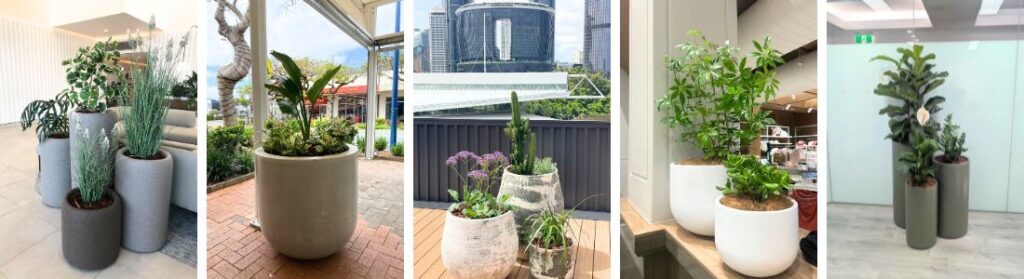
This shift isn’t a passing trend. According to Interior Design Trends Australia, 68% of commercial fit-outs in 2025 used mixed planter styles compared to just 32% a decade earlier. The introduction of more diverse planting palettes, layered groupings, and tactile finishes reflects how greenery is increasingly being treated as part of the overall design language, not just a finishing touch.
Hero Plants That Shine in the Queensland Climate
Queensland’s subtropical climate provides ideal conditions for a broad range of resilient indoor plants. By introducing structured natives and bolder architectural foliage, spaces can keep the benefits of greenery while allowing the overall aesthetic to evolve naturally. These aren’t replacements, they’re refinements.
| Plant | Why It Works | 2026 Twist | Styling Tip |
|---|---|---|---|
| Ficus elastica ‘Burgundy’ | Handles heat and variable light | Architectural statement plant in larger forms | Strong presence near glass panels or light wells |
| Magnolia grandiflora ‘Little Gem’ | Tolerates humidity and warm temperatures | Introduces soft native tones and structure | Works well in larger entry planters |
| Archontophoenix alexandrae (Alexander Palm) | Thrives in subtropical climates | Coastal-modern statement plant | Striking in sculptural or warm-toned pots |
| Cymbopogon refractus (Native Scented Grass) | Low water demand, highly resilient | Adds movement and textural contrast | Ideal as a soft layer beneath hero plants |
| Euphorbia trigona (African Milk Tree) | Performs well in high light | Gaining traction in design-led fit-outs | Sculptural focal point in aged finishes |
Queensland averages more than 260 sunny days annually, with mean summer temperatures between 29–33 °C (Bureau of Meteorology, Australia). Plants that thrive under these conditions not only look better for longer but also help reduce the upkeep required during the hotter months.
Native Pairings and Low-Maintenance Choices: The Best Indoor Plants for Queensland Climate
Native species are playing a growing role in commercial interior design, not just for their environmental performance but for the texture and depth they bring to plant palettes. A 2025 trend report by Horticulture Innovation Australia found that 35% of new commercial installations now include at least one native species, up from 21% in 2020.
Subtle layering of natives with tropical staples can create a more considered, design-forward look:
- Magnolia paired with Native Scented Grass for gentle structure
- Alexander Palm layered with Dichondra repens for a cascading effect
- Euphorbia mixed with native wildflowers for sun-drenched rooftops or bright atriums
These combinations can evolve existing installations into something more contemporary without needing to start from scratch.
Future-Facing Planter Trends
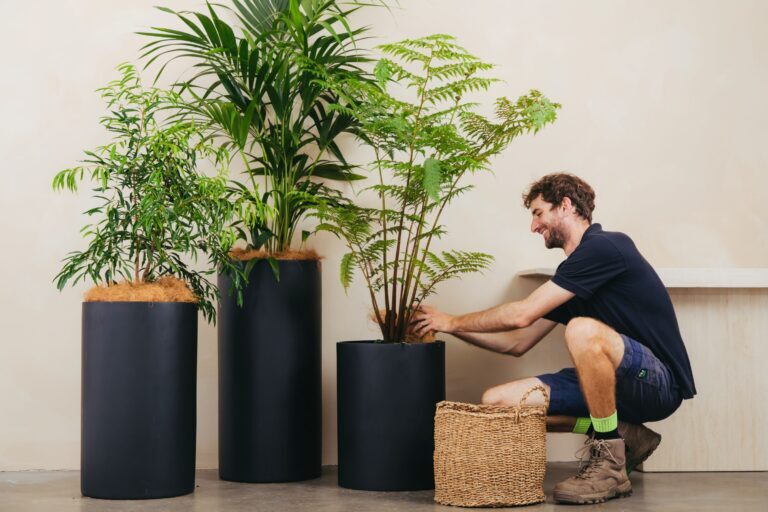
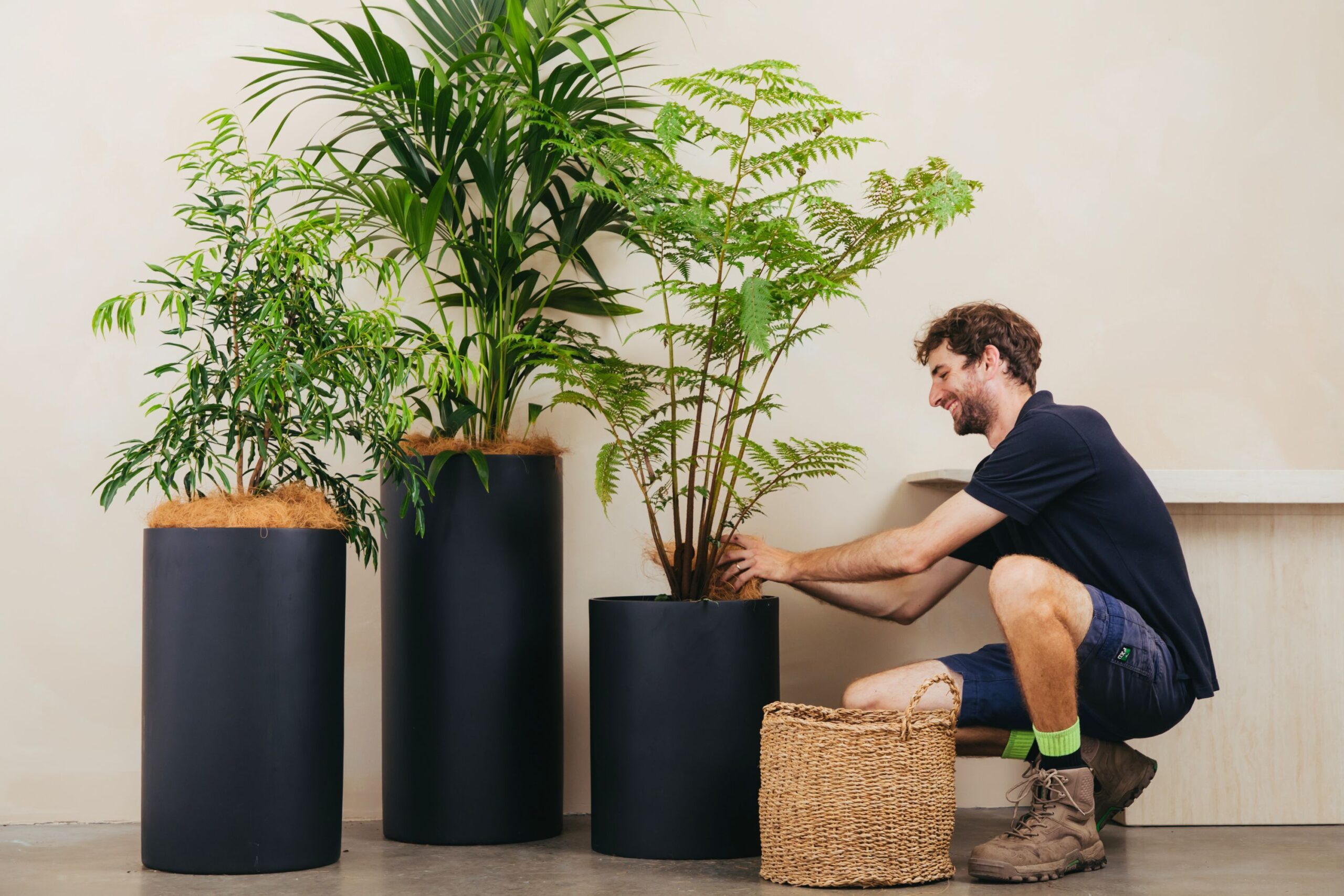
The container has become as integral to the design story as the plant itself. In 2026, planter styling is shifting toward tactile finishes, sculptural silhouettes, and warm natural tones. The result is a softer, more curated feel that blends seamlessly with both classic and modern interiors.
| Planter Style | Why It’s Trending | Best Fit |
|---|---|---|
| Sculptural silhouettes | Adds architectural presence without overpowering | Feature walls, entries |
| Rich colour pops (terracotta, muted eucalyptus) | Brings warmth and depth | Hospitality, retail |
| Aged/textured finishes | Complements natural materials and native species | Rooftops, creative offices |
| Layered height groupings | Creates a cohesive design story | Lobbies, breakout zones |
| Felted or fabric finishes | Softens hard edges and improves acoustics | Corporate interiors |
The evolution here is quiet but visible. Many spaces are keeping their plants, but swapping out containers for pieces that tell a stronger design story.
Why These Indoor Plants Work So Well in Queensland Conditions
Climate alignment: Plants selected for Queensland conditions thrive longer and need less intervention.
Design evolution: Updating styling without replacing everything offers a subtle but powerful lift.
Brand expression: A refined planting palette communicates attention to detail and modernity.
Evidence-backed impact: Research from University of Exeter has shown that workplaces with thoughtfully integrated greenery experience up to 15% increases in productivity and 40% stronger wellbeing scores.
A Simple Refresh, Not a Redesign: Elevating Greenery in 2026
Greenery has already earned its place in most workplaces. The next wave isn’t about bringing plants in, it’s about how they’re expressed. A quiet evolution in plant choice and styling can make a space feel fresh again, without needing to start from zero.
If the plants are already doing the heavy lifting, the styling can do the rest.
Advance Plants is South-East Queensland’s largest independent indoor plant hire company. With 98% Queensland employees, we’re a certified Great Place to Work and are an award-winning horticulture provider—from design to installation and maintenance. Contact our team today to refresh your interior plantscape.